Earlier Detection, Better Information: Trusted Messengers Raise Awareness of a Simple Test for Kidney Damage
By: Leah Poffenberger, Director, Communications
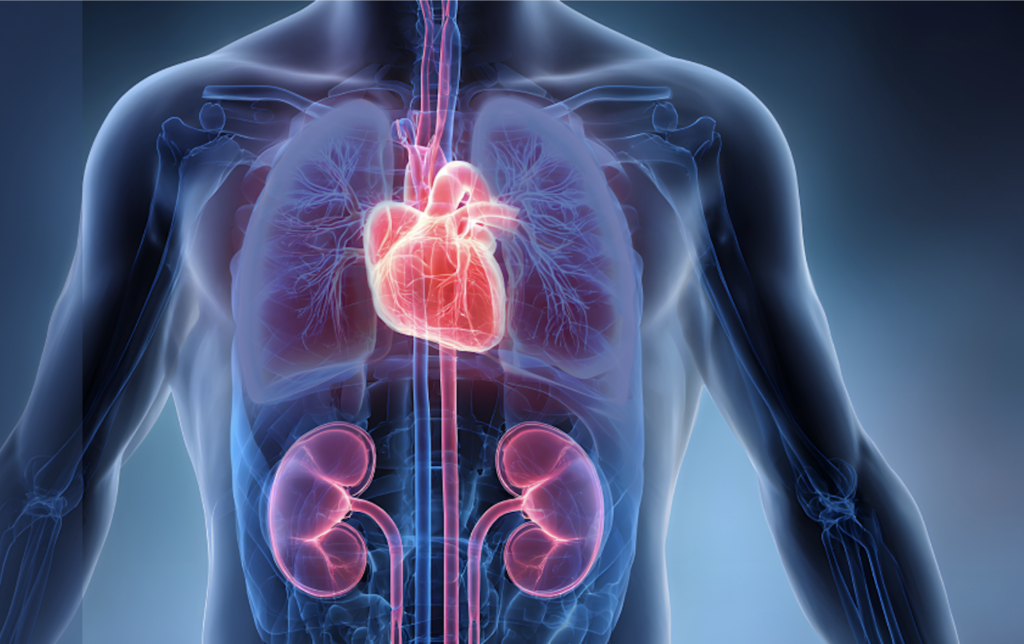
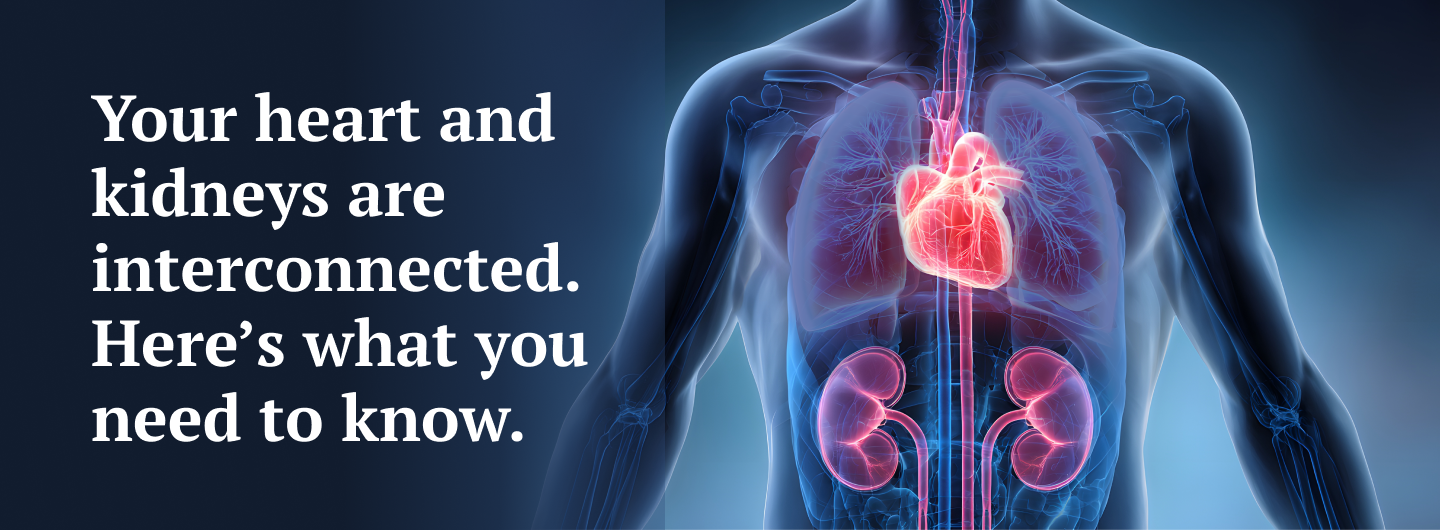
The heart and kidneys depend on one another: the heart supplies the kidneys with oxygen-rich blood, while the kidneys filter waste and help regulate fluid, electrolytes, and blood pressure. When both are healthy, they work together to keep the body in balance—but damage to one can affect the other.
People living with conditions like type 2 diabetes, high blood pressure, or other cardiovascular diseases are at higher risk of developing chronic kidney disease (CKD). As many as nine in 10 adults who develop CKD do not know they have the condition, which can progress without noticeable symptoms until significant kidney damage has occurred. The stakes are even higher when CKD occurs alongside cardiovascular disease: mortality rates are more than double those among people with cardiovascular disease alone.
Catching early signs of CKD is critical to give patients and health care providers time to act. For people at risk of developing CKD, urine albumin-to-creatinine ratio (uACR) testing can serve as an early warning system as this simple urine test can reveal signs of damage before changes appear in other common tests for kidney function.
However, uACR is underutilized. Research shows just two out of 10 people with risk factors for kidney problems have received this screening. To help close that gap, the National Health Council (NHC) has launched its latest Trusted Messengers campaign, beginning in Detroit, MI. The campaign brings together patients and health care professionals to explain the kidney-heart connection, increase awareness of uACR testing, and give patients practical tools for discussing their kidney health with their care teams.
The campaign features three patients with lived experience of CKD, kidney transplantation, or related metabolic conditions, as well as three health care professionals with expertise spanning kidney and cardiovascular health. Through panel discussions and individual videos, these Trusted Messengers share personal experiences, clinical knowledge, and guidance to help patients understand their risks and participate more actively in decisions about their health.
Detroit is the launch location for this campaign, as the city and surrounding region experience disproportionately high rates of type 2 diabetes, hypertension, and CKD. Clear, practical information about screening can help more people understand their risk and begin conversations with their health care providers before kidney disease progresses.
The uACR urine test can be used alongside an estimated glomerular filtration rate (eGFR) blood test to reveal different but complementary information about kidney health. The eGFR test estimates how well the kidneys filter blood, while uACR measures albumin in the urine relative to creatinine and can reveal damage before eGFR results begin to change. Together, the two tests provide a more complete picture of kidney health and help inform earlier care decisions.
People living with type 2 diabetes, high blood pressure, heart or blood vessel disease, or other risk factors such as obesity or a family history of these conditions should ask their health care provider whether uACR testing is appropriate for them.
The NHC’s Trusted Messenger campaign offers free resources designed to make those conversations easier. In addition to the full Trusted Messengers video series, the NHC has developed an infographic explaining the kidney-heart connection and a patient pocket card with questions about uACR and eGFR testing, test results, and next steps.
NHC members, health care professionals, health system leaders, and patient advocacy organizations can help more people access this information by sharing the materials and incorporating them into patient education efforts. Explore the Trusted Messengers campaign and download the resources.
This program received support by Boehringer Ingelheim.