Guest Blog: Raising Awareness on World Hydrocephalus Day
By: Samantha Lanjewar, PhD, Research Programs Manager, Hydrocephalus Association
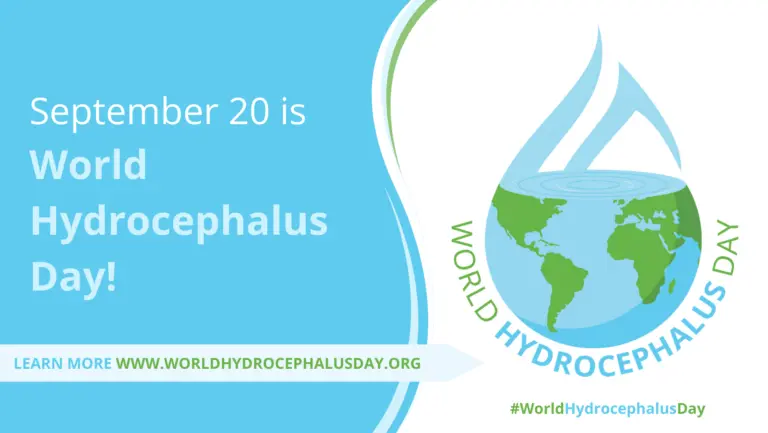
Early diagnosis and treatment of hydrocephalus can dramatically improve quality of life for people who develop it—yet many people have never heard of it until it affects their family. That’s why September is Hydrocephalus Awareness Month, and on September 20, the global community is coming together to celebrate World Hydrocephalus Day! The goals of World Hydrocephalus Day are to raise awareness, share knowledge, promote worldwide unity, advocate for research, and support those living with this often-misunderstood condition.
What Is Hydrocephalus?
Hydrocephalus—sometimes called “water on the brain”—is a condition where excess cerebrospinal fluid (CSF) builds up in the brain, causing pressure that can damage brain tissue. It affects people of all ages, from infants to older adults:
About 1 in every 770 babies in the US is born with hydrocephalus each year.
More than 1 million Americans are living with hydrocephalus today.
Up to 80% of cases of Normal Pressure Hydrocephalus (NPH), which primarily affects older adults, go untreated.
How Is Hydrocephalus Treated?
Currently, there’s no cure or prevention for hydrocephalus, and the only treatment options require brain surgery:
Shunts: A flexible tube diverts excess fluid from the brain to another part of the body (like the abdomen) where it can be absorbed safely.
Endoscopic Third Ventriculostomy (ETV): A procedure that creates a small opening to allow natural drainage of CSF.
How You Can Raise Awareness:
Talk about hydrocephalus with friends and family
Post about World Hydrocephalus Day on your social media platforms
This World Hydrocephalus Day, let’s celebrate the strength of the hydrocephalus community and commit to improving the lives of those affected throughout the world.