Guest Blog: The FNIH’s Commitment to Patient-Centric Public-Private Partnerships
By: Tré LaRosa, Associate Project Manager, Metabolic Disorders and Patient Engagement, FNIH; and Tania Kamphaus, MSc, PhD, Associate Vice President, Science Partnerships and Director of Patient Engagement, FNIH – with special input from Carlos Larrauri, Co-Chair, Accelerating Medicines Partnership® Schizophrenia
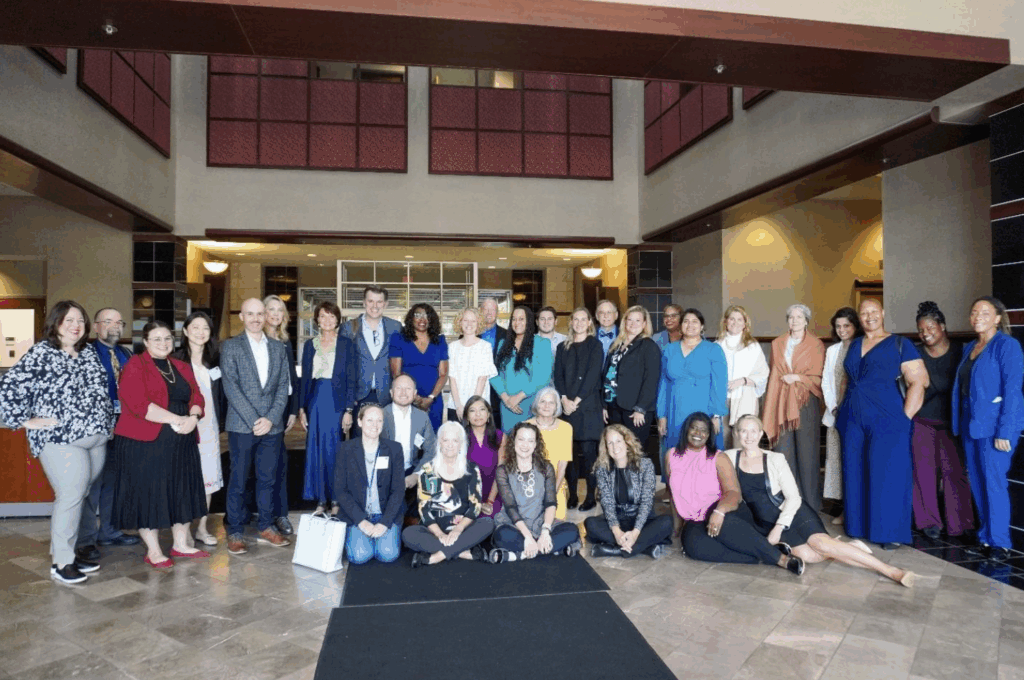
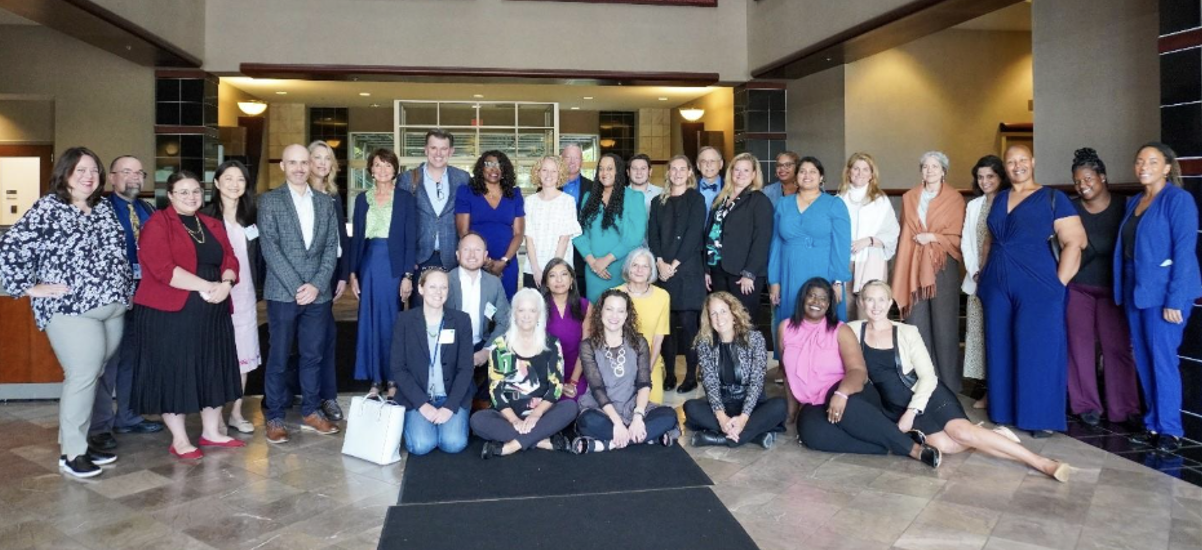
The FNIH hosted its second annual Patient Summit in September 2024
When the Foundation for the National Institutes of Health organized a daylong event to explore new ways to advance early psychosis research, they didn’t just add scientists to the roster. They also invited Carlos Larrauri, who lives with schizophrenia and serves as co-chair of an FNIH research initiative.
During the meeting, Carlos shared a personal experience describing how, during a psychotic episode, his gaze went beyond the usual field of social eye contact. This prompted a researcher to consider whether abnormalities in gaze patterns or axis during conversation could serve as a measurable indicator of underlying cognitive or perceptual changes. The idea of quantifying these deviations through video analysis became a potential new line of investigation.
This exchange illustrates how collaboration between researchers and people with lived experience can generate novel hypotheses and shape the trajectory of scientific discovery. It’s a great example of how the FNIH—a nonprofit organization that brings together public and private partners to solve some of the biggest health challenges of our day— is keeping patients at the center of biomedical research.
Keeping the Focus on Patients
The FNIH—which supports over 70 public-private research collaborations and open-source data platforms—has embedded patient centricity by ensuring that all new programs include dedicated budgets for patient engagement. As a result, people with lived experience:
- Serve alongside clinical, regulatory, and scientific experts on FNIH working groups and steering committees, including holding co-chair positions that allow them to influence leadership and governance.
- Provide insights as part of patient engagement groups made up entirely of people with lived experience. Within a program, information flows freely between this team and the working groups, widening perspectives.
- Share their stories at annual project meetings.
This level of engagement has enabled people with lived experience to provide insights into the needs, concerns, challenges, and aspirations of those directly affected by an illness. This helps shape project design and execution, including clinical trials and other studies, as well as research questions, communication strategies, web content, and program goals.
Patient Engagement at FNIH
Recognizing that meaningful patient engagement is not a series of isolated interactions but a cultural foundation, the FNIH has taken additional steps to embed patient centricity in their internal workflows. First, the organization kicks off every monthly organization-wide All Hands Meeting with a patient presentation. Individuals share personal stories of living with conditions such as Sjögren’s disease, gout, and advanced fatty liver disease. The presentation is followed by staff Q&A.
Additionally, the FNIH has established the Patient Engagement Council, an advisory body of experts and thought leaders from organizations including the National Health Council, the Patient-Centered Outcomes Research Institute, the U.S. Food & Drug Administration, and the Milken Institute. This group meets regularly to share ideas about how to more fully integrate the perspectives of people with lived experience into FNIH projects.
The FNIH has also established a Patient Ambassador program, which includes people who have been involved in its research programs, many of whom lead patient advocacy organizations themselves. Ambassadors advise the FNIH on engagement strategies and provide representation at conferences. Together, the Patient Engagement Council and Patient Ambassadors provide timely, expert guidance.
FNIH hosts an annual Patient Summit—featuring people with lived experience and thought leaders—where patient-centric program ideas are discussed. Past topics include lack of access to health care and patient-centered outcomes.
About the Foundation for the National Institutes of Health (FNIH)
The FNIH is a nonprofit organization that accelerates biomedical breakthroughs through research collaborations that extend and amplify the mission of the National Institutes of Health. These public-private partnerships bring together government, life science companies, academia, regulatory agencies, and patients and their advocates. This allows the FNIH to help solve problems that no single organization could tackle on their own.
Learn more about FNIH Patient Engagement efforts at FNIH.org/patients.
The FNIH is a member of the National Health Council.